

Innovation in Capital Construction Projects

By Tim Mather

Innovation is often portrayed as the adoption of new technologies, advanced software platforms, artificial intelligence, drones, digital twins, or data analytics. While these tools can provide significant value, the true foundation of innovation in capital construction projects is not technology itself. The key to sustainable innovation is process improvement.
Technology cannot Fix Broken Processes
Organizations frequently invest millions of dollars in new project management information systems (PMIS), believing that technology will solve issues related to schedule delays, cost overruns, inefficient communication, and poor decision-making. However, technology alone cannot fix a broken process. In fact, automating an ineffective process often results in performing the wrong activities faster and with greater consistency. Before organizations can achieve meaningful innovation, they must first understand, document, standardize, and continuously improve the processes that govern project delivery.
Building the Foundation for Consistency
Process improvement begins with defining how work should be performed. This includes establishing clear workflows for planning, design review, change management, risk management, procurement, document control, stakeholder engagement, construction management, and project closeout. Defined processes create consistency, improve accountability, and establish a common framework that allows project teams to execute effectively across multiple projects and programs. Without this foundation, project success becomes dependent on individual experience and heroics rather than organizational capability.
What Gets Measured Gets Improved
Equally important is the ability to measure process performance. Organizations cannot improve what they do not measure. Key performance indicators should be established to assess both the efficiency and effectiveness of project management processes. Metrics such as cycle times, approval durations, change order processing rates, schedule reliability, forecast accuracy, issue resolution times, and stakeholder response rates provide valuable insight into process performance. These measurements identify bottlenecks, reveal opportunities for improvement, and create an objective basis for decision-making. When organizations lack meaningful process metrics, discussions about performance often become subjective and driven by anecdotal evidence rather than data.
The Challenge of Process Immaturity
Unfortunately, many capital construction organizations operate with only partially defined processes or no formal processes at all. Project teams frequently rely on tribal knowledge, individual preferences, and historical practices that vary from project to project. This creates inconsistency, limits scalability, and makes continuous improvement difficult. In these environments, innovation initiatives often struggle because there is no stable operational baseline from which improvements can be measured. Organizations may implement new technology platforms, but they are unable to determine whether outcomes have improved because they never established process performance measures in the first place.
Technology as an Enabler, Not the Answer
Modern PMIS platforms such as Mastt, Kahua, and Procore can play a valuable role in enabling process-based project management. These systems provide workflow automation, document management, reporting, collaboration tools, dashboards, and data visibility that can significantly improve the efficiency of project execution. They help organizations enforce standards, track performance, and create transparency across large capital programs. However, these systems are enablers, not solutions in themselves.
Organizational Maturity Drives Success
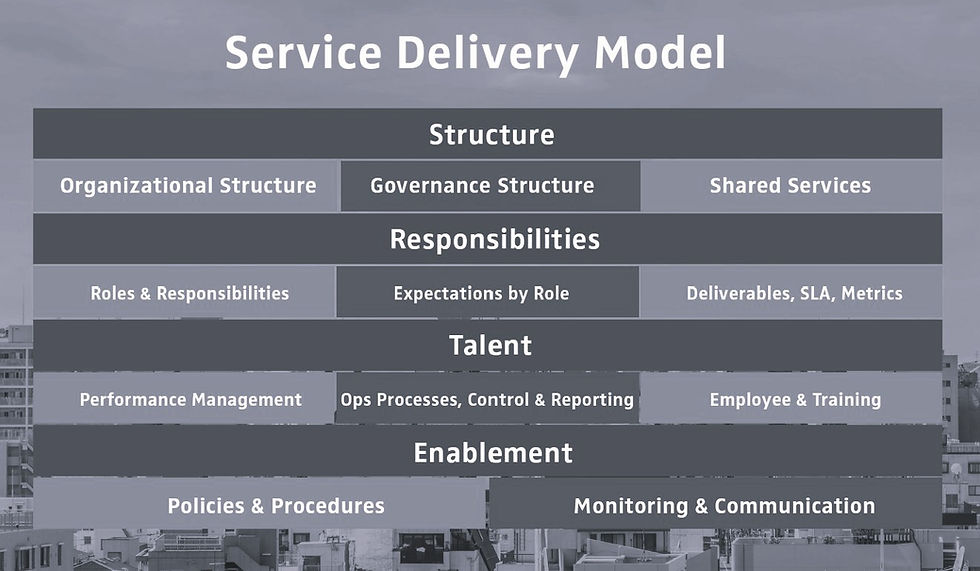
The effectiveness of any PMIS platform ultimately depends on the maturity of the organization using it. A well-defined process executed consistently by trained personnel can often outperform a sophisticated technology platform deployed within a poorly governed organization. Mature organizations understand that technology should support their processes rather than define them. They first establish governance, roles, responsibilities, workflows, and performance measures. Only then do they implement technology to automate and enhance those processes.
Creating a Culture of Continuous Improvement
The most innovative capital construction organizations recognize that lasting improvement comes from a culture of continuous process measurement and refinement. Technology accelerates innovation, but organizational maturity makes innovation possible. When clear processes, measurable performance, disciplined governance, and enabling technology are combined, organizations create an environment where continuous improvement becomes part of everyday project delivery. That is where true innovation occurs, not in the software itself, but in the disciplined and repeatable way organizations manage, measure, and improve the delivery of capital projects.


Comments